The Original Game and What UKGC Rules Actually Change
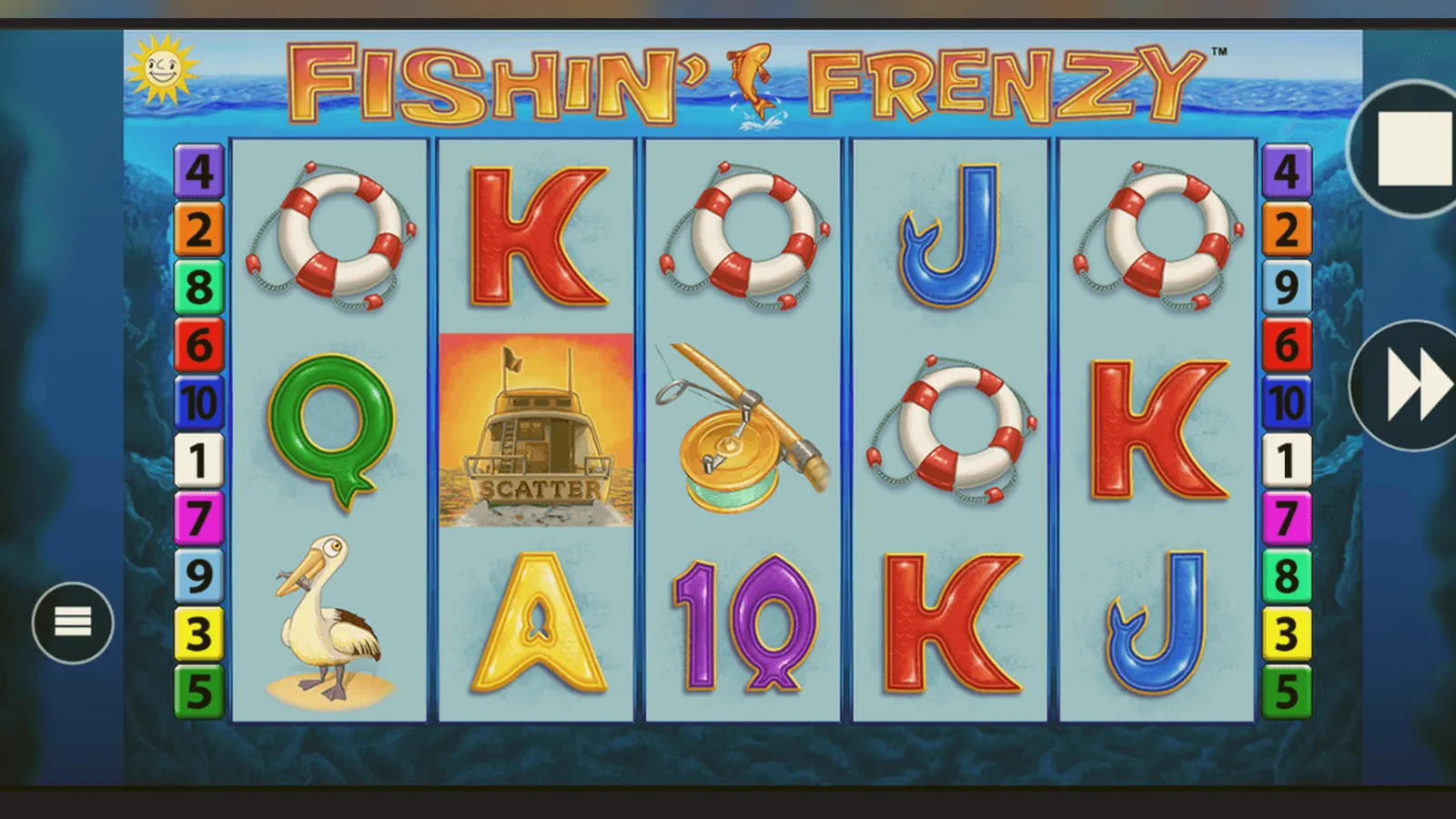
Two versions of Fishin' Frenzy sit in front of you. One runs on a UKGC-licensed site with your stake capped at £5.00, identity checks before you deposit, and Faster Payments pulling your winnings back in a few hours. The other sits offshore, takes £50 spins, asks for nothing but an email, and pays — when it pays — three days later through a processor in Curaçao.
The maths inside might look identical, but the risk profile around that maths shifts completely. The regulator bakes friction into the licensed version: affordability checks from £150 net deposits a month, KYC documents before your first withdrawal, and a single GAMSTOP registration that locks every operator holding a remote licence. Those frictions slow you down, but they also mean the site is in the public register and the software has been tested by an accredited lab. Here is how the original game actually works when those rules apply.
Who Built It and How the Certification Process Works
Blueprint Gaming released Fishin' Frenzy in 2014. Blueprint holds a B2B licence from the UKGC, which means every game it supplies to a UK-facing operator must pass testing at an accredited lab — GLI, eCOGRA, Gaming Associates, or iTech Labs. The test checks the RNG implementation, the stated RTP against the actual weighted reel strips, and the compliance of the game logic with technical standards RTS 3 and RTS 4.
A certificate from one of those labs sits in the operator's compliance documentation. You will not see it on the site's front page, but if the operator appears in the UKGC public register and lists Blueprint as a supplier, the chain of certification is there. The game's RTP, volatility, and maximum exposure are locked at that point; Blueprint cannot push a hotfix that changes the maths without a new round of lab testing and regulatory approval.
The original also runs under a stake cap: £5.00 per spin for most players, and £2.00 if you are between eighteen and twenty-four. That cap is a regulatory requirement, not a game-design choice. Blueprint's software respects it by refusing higher stakes when the operator flags your age bracket. Offshore clones ignore the cap entirely because they operate outside UKGC jurisdiction.
A Round From the Player's Seat
You pick a stake between £0.10 and £5.00 — or £2.00 if you are under twenty-five — and press spin. The RNG selects a stop position for each of the five reels. The reels spin for about two seconds, then settle. If three or more scatter symbols land anywhere on the screen, the free-spins feature opens.
Inside free spins, every fish symbol reveals a cash value between 2× and 10× your stake, and the fisherman collects those values when he lands on the same spin. You get ten spins. If you land three or more scatters during the feature, you win another ten spins, and the process repeats until no new scatters appear. When the feature ends, the game tallies the collected fish values and adds them to your balance. The maximum single-round win is capped at 5,000× your stake, so a £5.00 spin cannot pay more than £25,000.00.
The base game pays for symbol combinations, but those wins are small — usually 0.5× to 5× your stake. The feature is where the large multiples sit. Because scatters appear infrequently, most sessions are long stretches of base-game spins interrupted by occasional feature rounds. High volatility means those feature rounds can return less than you spent triggering them, or they can return fifty or a hundred times your stake. The RTP of 96.12% describes the long-run average, not the outcome of your next hundred spins.
The Real Numbers From the Technical Sheet
These numbers come from the game's PAR sheet and the UKGC's stake-cap regulation. Medium-high volatility means the feature can take a hundred or more spins to trigger, and when it does, the result swings between a few pounds and several hundred. The 96.12% RTP includes the feature contribution; strip the feature out and the base game sits well below 90%.
How Each Mechanic Works in Practice
The scatter is the entry ticket. Three or more of them anywhere on the screen opens ten free spins. During those spins, fish symbols display cash values, and the fisherman symbol collects every fish value visible on that spin. If the fisherman does not land, the fish values vanish. If he lands but no fish are present, he collects nothing.
The feature can retrigger. Three or more scatters during free spins award another ten spins, and this can repeat indefinitely — though in practice, most feature rounds end after ten or twenty spins. The collecting mechanic creates volatility inside the feature itself: a single spin with a fisherman and five high-value fish can return 50× your stake, while a feature round with no fisherman appearances returns only the base-game symbol wins, often less than 5×.
The maximum win cap of 5,000× applies to the total win from a single paid round, including the feature. If a feature round pushes your win past 5,000×, the game stops adding further prize fish or retriggers and pays 5,000× your stake. This cap is a common design choice in medium-volatility slots; it limits the operator's exposure without noticeably affecting the player experience, because reaching 5,000× is rare at 96.12% RTP.
The Clones and How They Differ
Blueprint's success with Fishin' Frenzy produced a wave of clones: Big Bass Bonanza from Pragmatic Play, Bigger Bass Bonanza, and dozens of smaller fishing-themed variants from studios you have never heard of. The core loop — scatter-triggered free spins, collect-on-sight fish values — remains the same, but the maths shifts.
| Game | Provider | RTP | Max win | Volatility |
|---|---|---|---|---|
| Fishin' Frenzy | Blueprint Gaming | 96.12% | 5,000× | Medium-high |
| Big Bass Bonanza | Pragmatic Play | 96.71% | 2,100× | High |
| Bigger Bass Bonanza | Pragmatic Play | 96.71% | 4,000× | High |
| Reel King Mega | Red Tiger (also Blueprint) | 96.17% | 500× | Medium |
Big Bass Bonanza has higher RTP and volatility, a lower max win, and a different scatter frequency. Bigger Bass Bonanza raises the max win but keeps the high volatility. Reel King Mega is Blueprint's own follow-up, with a completely different feature mechanic. None of these are Fishin' Frenzy; they share a theme, not a PAR sheet.
Unlicensed clones also circulate. These appear on offshore sites with no UKGC licence, often under names like «Fishing Frenzy Gold» or «Mega Fish». The RTP is unknown, the RNG is untested, and the operator has no obligation to pay. If you land a 1,000× feature round on one of those, your withdrawal depends entirely on whether the site feels like processing it. The UKGC register is the dividing line.
A Ten-Second Check That You Are on the Original
- Open the game's information or settings panel. Look for the provider name: Blueprint Gaming. If it says anything else, or if the panel is missing, you are not on the original.
- Check the site's footer for a UKGC licence number. It is a string like 000-039488-R-319345-XXX. Copy that number and search the UKGC public register. If the operator does not appear, the site is unlicensed and the game's certification is irrelevant.
- Try setting a stake above £5.00. If the game allows it and you are not logged in with a verified age over twenty-five, the operator is either offshore or not enforcing the cap. Licensed operators block stakes above the regulatory limit.
- Look for GAMSTOP in the footer or responsible-gambling section. If it is missing, the site does not operate under UK jurisdiction.
These checks take less time than reading a terms page, and they filter out the majority of clones and unlicensed copies. Blueprint does not distribute Fishin' Frenzy to offshore operators; if you see it on a site without a UKGC licence, the software is either a clone or a pirated build.
Where the Original Runs for a UK Player
Blueprint supplies Fishin' Frenzy to most UKGC-licensed operators. You will find it on large multi-brand networks — Entain, Flutter, Rank Group — and independent casinos holding a remote licence. The game often sits in a «popular» or «Blueprint» filter, not buried in a category page.
Demo play is common, but many operators gate it behind age verification. That means you log in, complete the initial identity check, and then access free-play mode. The demo runs the same maths and features as the real-money version, but it does not connect to the payment system or KYC process. If you see a demo link without logging in, the site is either using a third-party demo provider or operating outside UKGC rules.
Deposits on licensed sites accept debit cards, PayPal, Apple Pay, and Open Banking transfers. Credit cards have been banned for gambling since April 2020. Withdrawals go through Faster Payments to your bank — same day to two working days — or to e-wallets like PayPal within a few hours. Your first withdrawal is the slowest because the operator must verify your documents before releasing funds; 24 to 48 hours is normal. Subsequent withdrawals are faster.
What the Regulator Actually Changes for You
The UKGC does not touch the game's RTP, volatility, or feature frequency. Those are locked in the PAR sheet and tested by the lab. What the regulator changes is the environment around the game: the stake caps, the affordability checks, the KYC requirements, and the self-exclusion system.
The £5.00 stake cap limits your maximum single-spin loss. If you are between eighteen and twenty-four, the cap drops to £2.00. The affordability checks trigger when your net deposits cross £150 in a calendar month, at which point the operator pulls soft credit data to assess your income and spending. If the data suggests you are depositing more than you can afford, the operator can block further deposits or ask for proof of income. This process is intrusive, but it is also the mechanism that separates licensed operators from offshore ones.
GAMSTOP is the national self-exclusion register. One registration blocks every UKGC-licensed site for six months to five years. If you are locked out, offshore sites remain accessible, but they offer none of the regulatory protections: no dispute resolution through the operator's ADR provider, no recourse through the UKGC if the site refuses to pay, and no tested RNG. The trade-off is friction versus risk.
Winnings are tax-free. The operator pays a 40% Remote Gaming Duty on gross gaming revenue — raised from 21% in April 2026 — but that is the operator's problem, not yours. If you win £10,000.00 on a feature round, you receive £10,000.00. No withholding, no reporting requirement, no schedule on your self-assessment.
FAQ
Can I play Fishin' Frenzy without depositing?
Most UKGC-licensed sites offer a demo version, but you need to log in and verify your age first. The demo runs the same maths as the real-money game, but wins are not withdrawable. If a site offers the demo without any identity check, it is likely operating outside UK jurisdiction.
Why is my stake capped at £2.00 when the game allows £5.00?
If you are between eighteen and twenty-four, the UKGC requires operators to cap your stake at £2.00 per spin on slots. The restriction is based on your verified age, not the game's design. Once you turn twenty-five, the cap lifts to £5.00.
How do I know if a site is actually licensed by the UKGC?
Check the footer for a licence number — it looks like 000-039488-R-319345-XXX. Copy that number and search the UKGC public register at gamblingcommission.gov.uk. If the operator does not appear, or if the footer has no licence number, the site is unlicensed and operates outside UK law.
What happens if I hit the 5,000× max win during a feature round?
The game stops adding further wins once your total reaches 5,000× your stake. If you are on a £5.00 spin, the maximum payout is £25,000.00. The feature ends immediately, and the balance is credited to your account. This cap is built into the game's logic and applies on every licensed site.
Why does my first withdrawal take longer than the advertised time?
Operators must verify your identity and address before processing the first withdrawal. This involves checking documents — passport, driving licence, utility bill — and can take 24 to 48 hours. Once verified, subsequent withdrawals through Faster Payments or e-wallets are much quicker, often same-day.